Addressing Alex's Back Pain After an Car Accident

Despite trying medications, his pain persisted. Discover how we identified the real issues and improved his life.

The Transformation

Initial Presentation

May 2025
9/10
Average Daily pain Level
  • Couldn’t put on socks and shoes without pain
  • Unable to pick up right leg
  • Pain radiating into right lower leg
  • Pain with prolonged standing
  • Pain with prolonged sitting

Treatment Outcomes

July 2025
2/10
Average Daily pain Level
  • Can put on socks and shoes with less pain
  • Able to lift right leg more comfortably
  • Reduced pain in the right lower leg
  • Less discomfort with standing
  • Sitting is more manageable
"Everything doesn't feel like it works like it used to, especially some pain down the back of my right leg. However, it's been much better, and I thank you for that. I'm just not sure I'll ever be 100% after the car accident and a life in construction. "
Alex,
patient in their late 50s

The Journey to Recovery

Alex's Story

Alex had been dealing with lower back pain ever since a car accident left him with persistent discomfort. The pain was severe, radiating down his right leg and affecting daily tasks like putting on socks or standing for extended periods.

He had tried medications to manage the pain, which offered some relief but didn’t solve the problem. Our goal was not just to alleviate the symptoms but to understand the underlying cause of his persistent discomfort.

Upon his evaluation, we identified that poor lumbopelvic stability and decreased range of motion were contributing to his pain. Over the 11 weeks of therapy, we built a structured program, focusing on improving his core control, mobility, and overall functional strength. Gradually, Alex was able to return to daily activities with more ease and less discomfort, understanding the importance of maintaining strength for long-term relief.

What They Tried Before

Prescription Meds
Partial Relief

If you've tried these and still hurt, our Array program is different.

What Most People Get Wrong

Many people think that just managing pain with medication solves the problem. However, without addressing the root cause, like core stability and range of motion, the pain often returns.

  • Over-reliance on rest without active rehabilitation underestimates the importance of movement.
  • Ignoring the role of core strength in preventing recurrent injuries can lead to long-term issues.
  • Solely focusing on pain relief without enhancing functional mobility often yields temporary results.

Why This Happened

Alex’s condition stemmed from limited hip and lumbar mobility and weak core stability post-accident. These deficits led to inefficient movement patterns, causing repeated stress on his lower back. Additionally, the injury’s chronicity meant that tissue reactivity was heightened.

Being unable to fully engage his core, he over-relied on other muscle groups, which amplified the discomfort and led to compensatory patterns.

If This Sounds Like You

We wanted to offer you a discounted consultation to find out exactly what's causing it — and more importantly how to fix it.

The Real Problem (And The Plan That Solved It)

Once we identified the real real problems, the plan became straightforward

What We Found:

Alex’s assessment revealed significant deficits in lumbar mobility and hip flexor strength. The core control was also lacking, impacting his ability to perform daily tasks without pain. The lumbopelvic stability was compromised, contributing to the chronicity of pain.

The Plan That Solved It

We focused on enhancing Larmarkus’s overall core control and lumbopelvic stability. This approach combined manual therapy, neuromuscular re-education, and structured exercises to restore function. The tailored plan steadily improved his mobility and endurance, allowing him to return to daily activities with confidence.

Our Approach

How We Actually Fixed It Using Our 3-Step System
Treatment Plan Used
Conditions Treated

Relieve

  • Manual therapy to release tension
  • Modalities to calm tissue irritation
  • Guided stretching for immediate pain relief

Rebuild

  • Core control exercises to enhance stability
  • Progressive strength training for affected areas
  • Functional movement tasks to improve everyday activities

Resilient

  • Education on long-term home exercise routines
  • Strategies to minimize flare-ups during daily life
  • Integrating strength maintenance exercises into regular activities

Key Focus Areas

  • Enhancing core control
  • Improving lumbopelvic stability
  • Restoring functional mobility
  • Increasing endurance in daily tasks

Results

Alex can now perform daily activities with greater ease. Although he is not 100% pain-free yet, he feels he can live his life and do everything he would like to do such as tasks like putting on socks or prolonged standing are less painful. In addition, he has regained confidence in his movement and has strategies to manage flare-ups.
If This Sounds Like You

We wanted to offer you a discounted consultation to find out exactly what's causing it — and more importantly how to fix it.

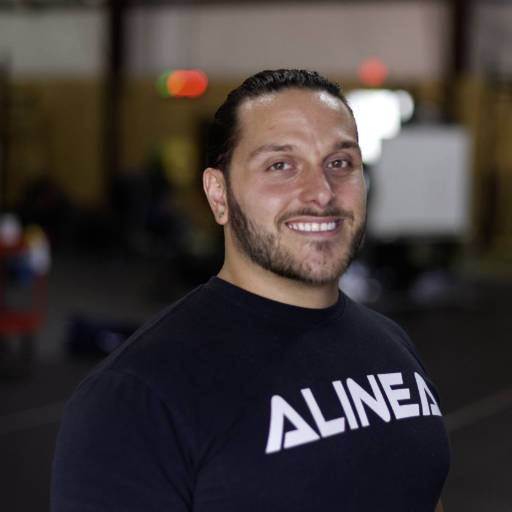
Meet Alex's Therapist

Dr. Joseph Rosi II

DPT, Cert. DN, CSCS
Expert physical therapist specializing in manual therapy, dry needling, and comprehensive rehabilitation. Dedicated to helping patients achieve optimal movement and return to their active lifestyles.

Certifications:

  • C.S.C.S. (Certified Strength and Conditioning Specialist) – National Strength and Conditioning Association
  • Cert. DN (Dry Needling Certification) – Dry Needling Institute/ American Academy of Manipulative Therapy

Ready to Write Your Success Story?

Don't let shoulder pain control your life like Alex did. Our expert team is ready to create a personalized treatment plan that gets you back to doing what you love - pain-free.
Same-Day Appointments
Available for urgent cases
Insurance Accepted
Most major plans covered
Expert Care
Specialized treatment